
Poor Sleep & Anxiety – Causes, Symptoms & Solutions
Poor sleep and anxiety often go hand in hand—especially as we get older. Stress, hormonal changes, and lifestyle factors can disrupt sleep patterns, leading to restless nights and anxious days, which then reinforce each other in a frustrating cycle.
 Common Symptoms
-
Trouble falling or staying asleep
-
Waking up feeling unrefreshed
-
Racing thoughts at night
-
Nighttime worry or tension
-
Daytime fatigue and irritability
-
Increased anxiety or low mood
 Why Sleep & Anxiety Problems Increase With Age
1. Hormonal Changes
-
Reduced melatonin production
-
Menopause or andropause symptoms
-
Cortisol imbalance
 Makes it harder to fall and stay asleep
2. Chronic Stress
-
Work, family, or health concerns
-
Constant mental stimulation
Keeps the nervous system in “alert mode”
3. Poor Sleep Habits
-
Late-night screen use
-
Irregular sleep schedules
-
Caffeine late in the day
Disrupts natural sleep rhythms
 How to Prevent & Improve?
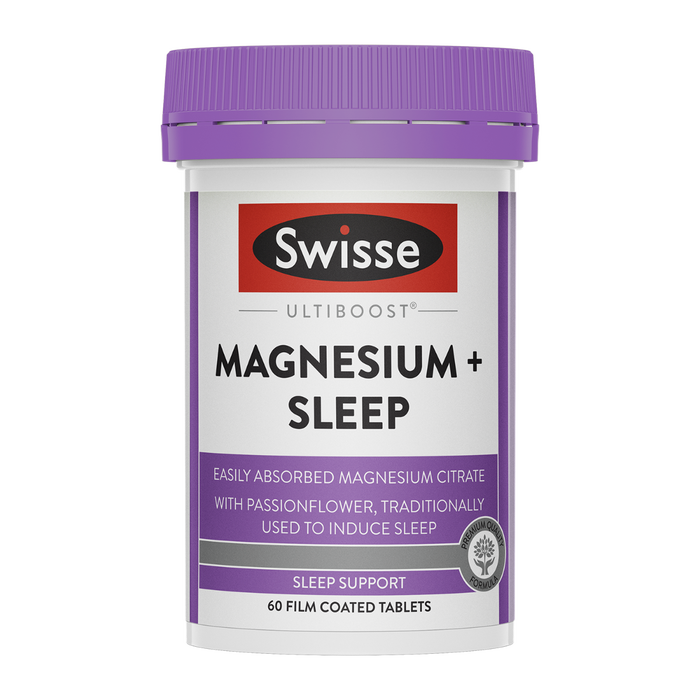
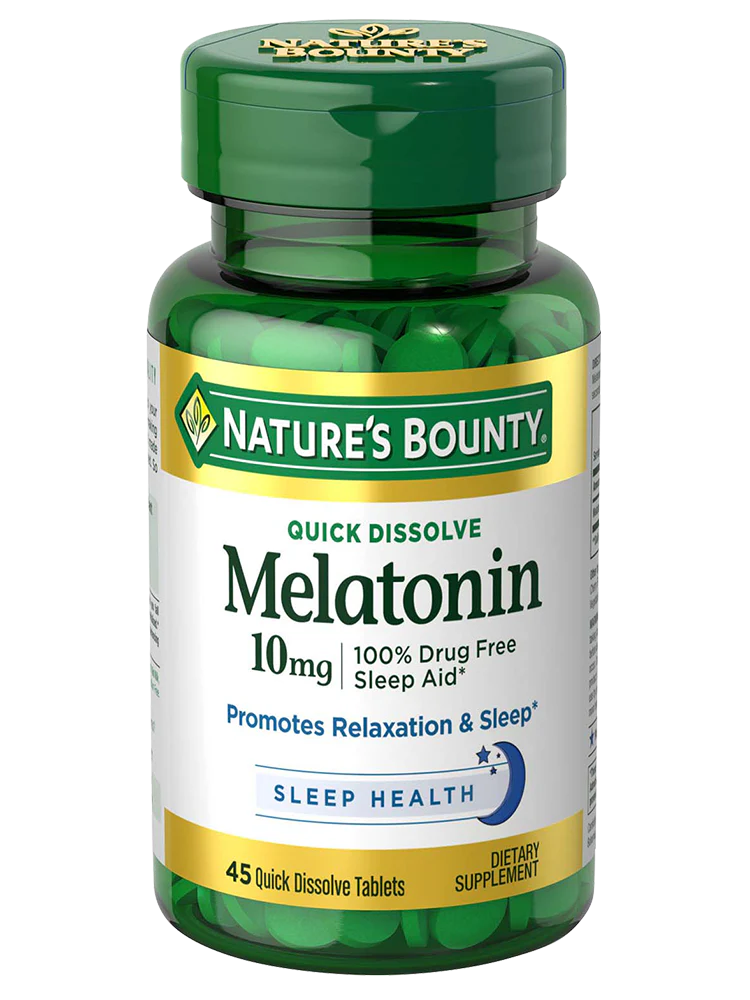
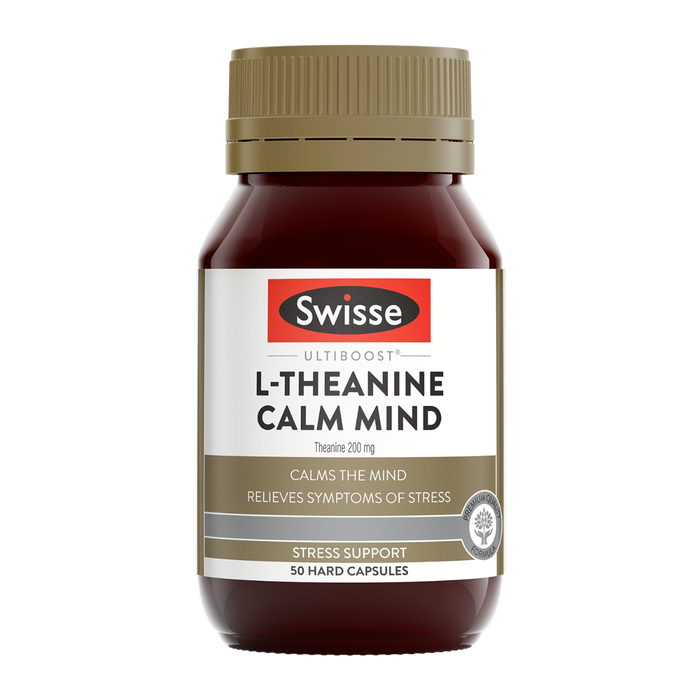
Helpful Supplements:
 Build Better Sleep Habits
-
Go to bed and wake up at the same time
-
Create a cool, dark sleeping environment
-
Avoid screens 1 hour before bed
 Calm the Nervous System
-
Deep breathing or meditation
-
Gentle evening stretching
-
Journaling to release worries
 Nutritional Support
Helpful nutrients include:
-
Magnesium (relaxation)
-
Melatonin (sleep regulation)
-
L-theanine (calming)
-
Herbal supports (chamomile, valerian)
 Final Takeaway
Poor sleep and anxiety are common—but they’re not something you have to “live with.” Small changes, combined with the right support, can dramatically improve sleep quality and emotional balance over time.