
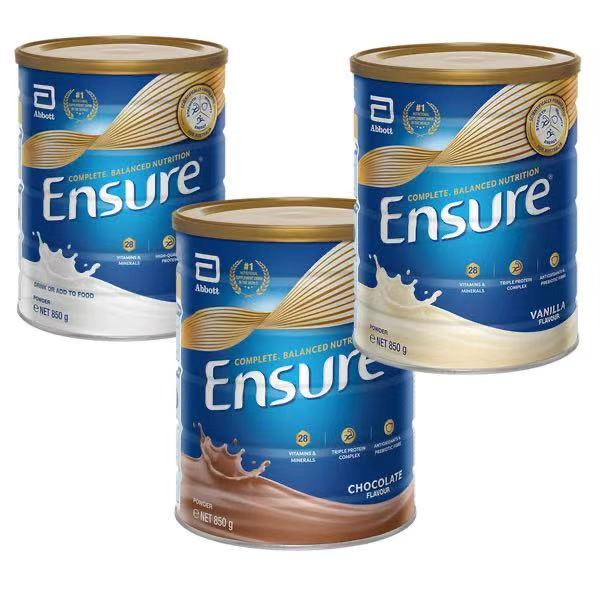
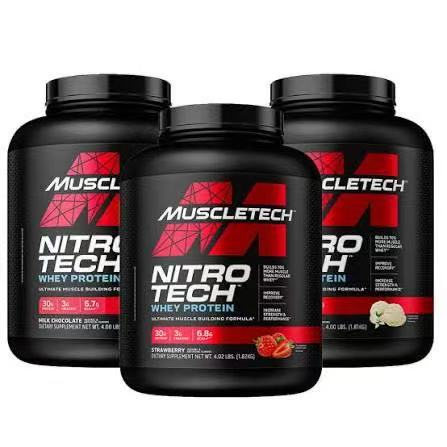

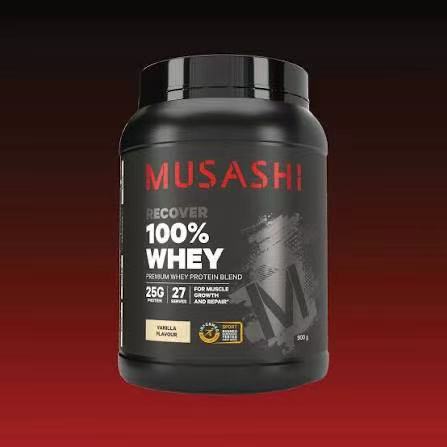
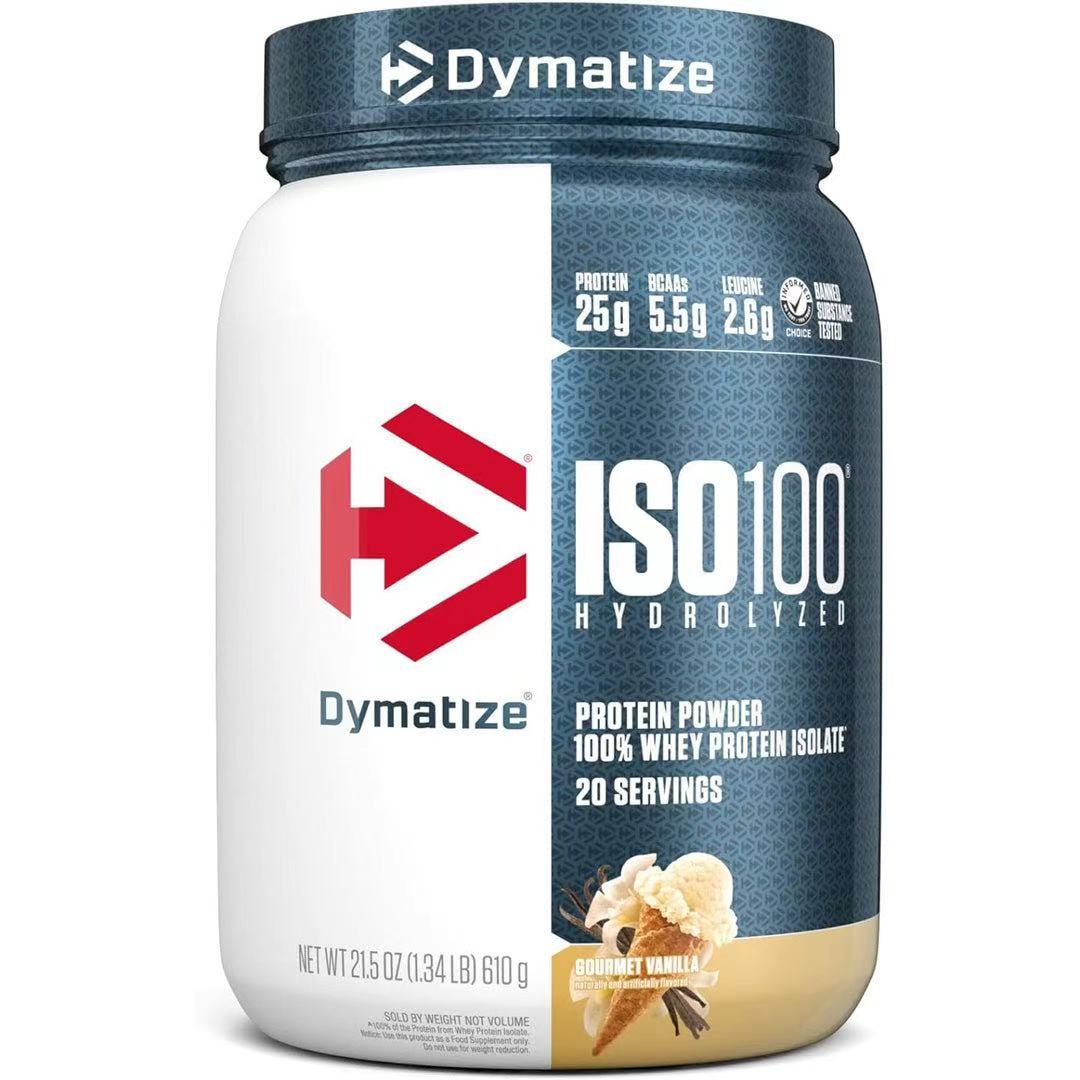

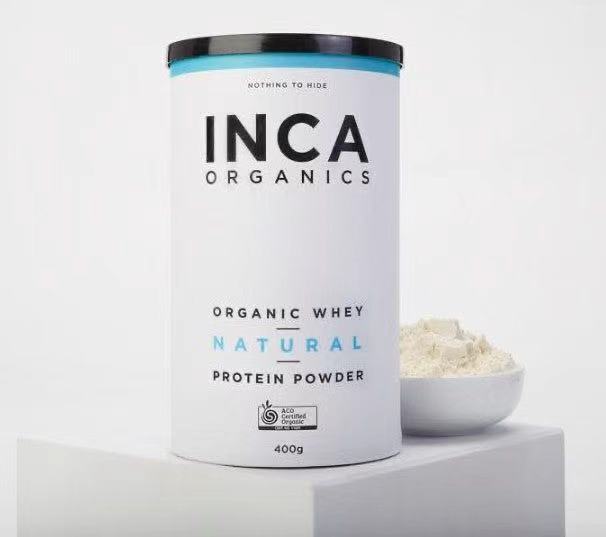
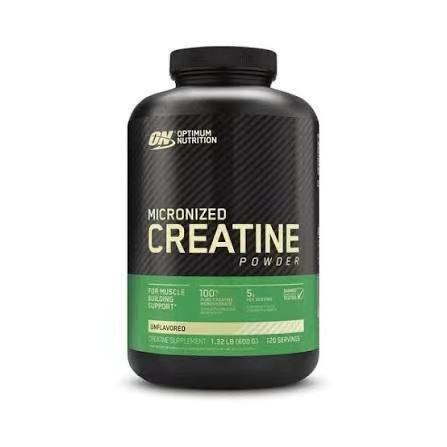
The Ultimate Fuel: A Deep Dive into the Best Protein Powder for Rapid Muscle Recovery and Lean Growth That Digests Easily Without Bloating or Artificial Sweeteners
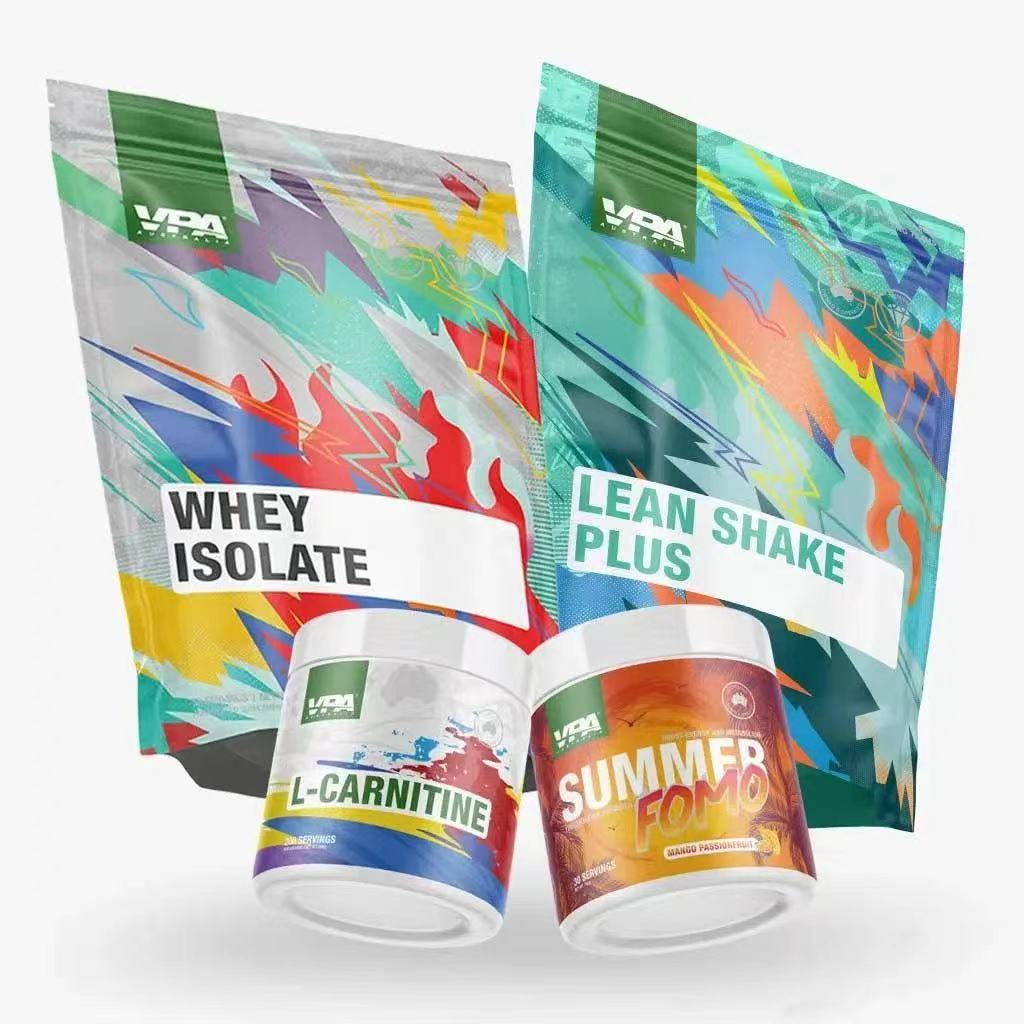
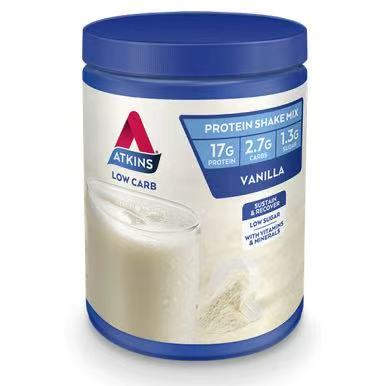
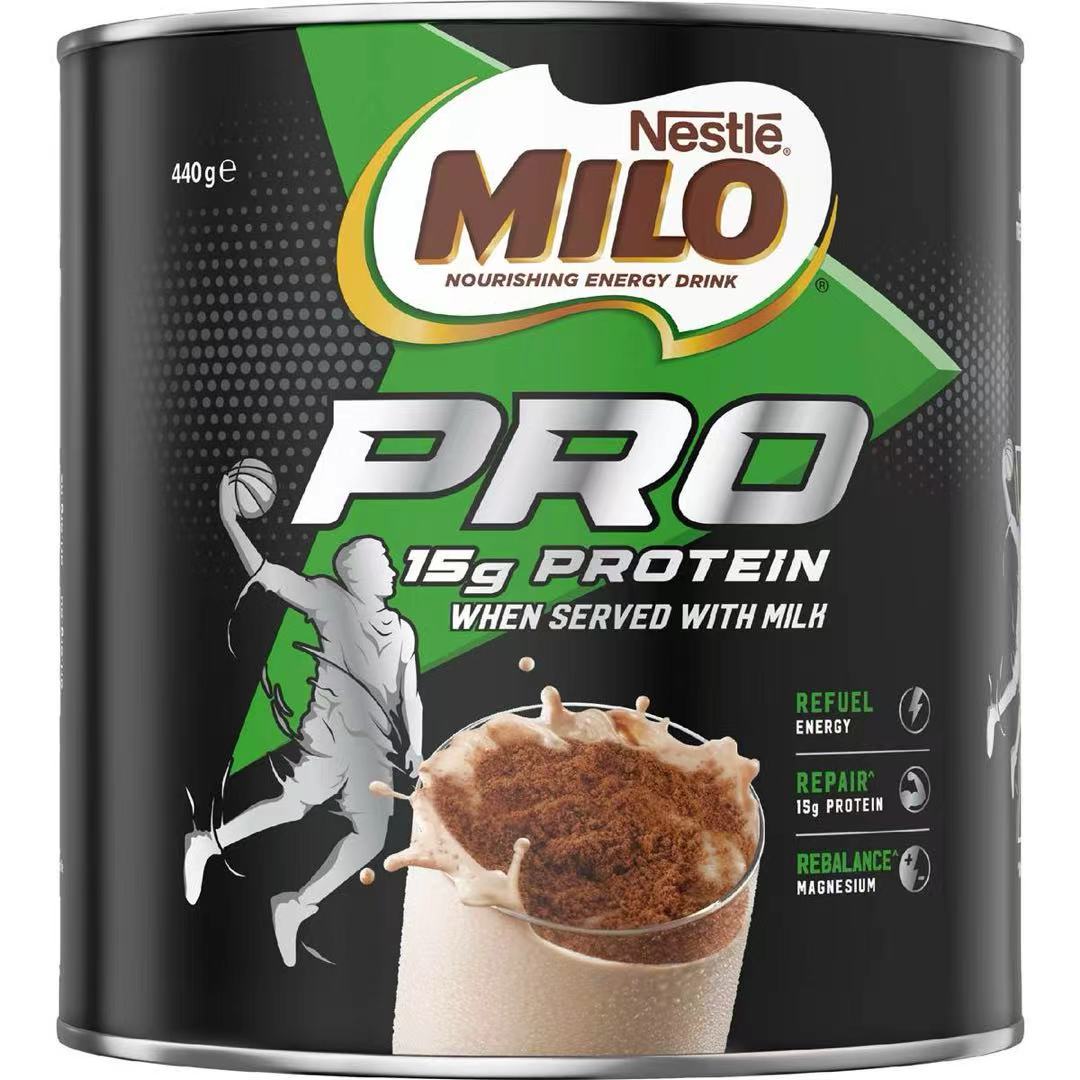
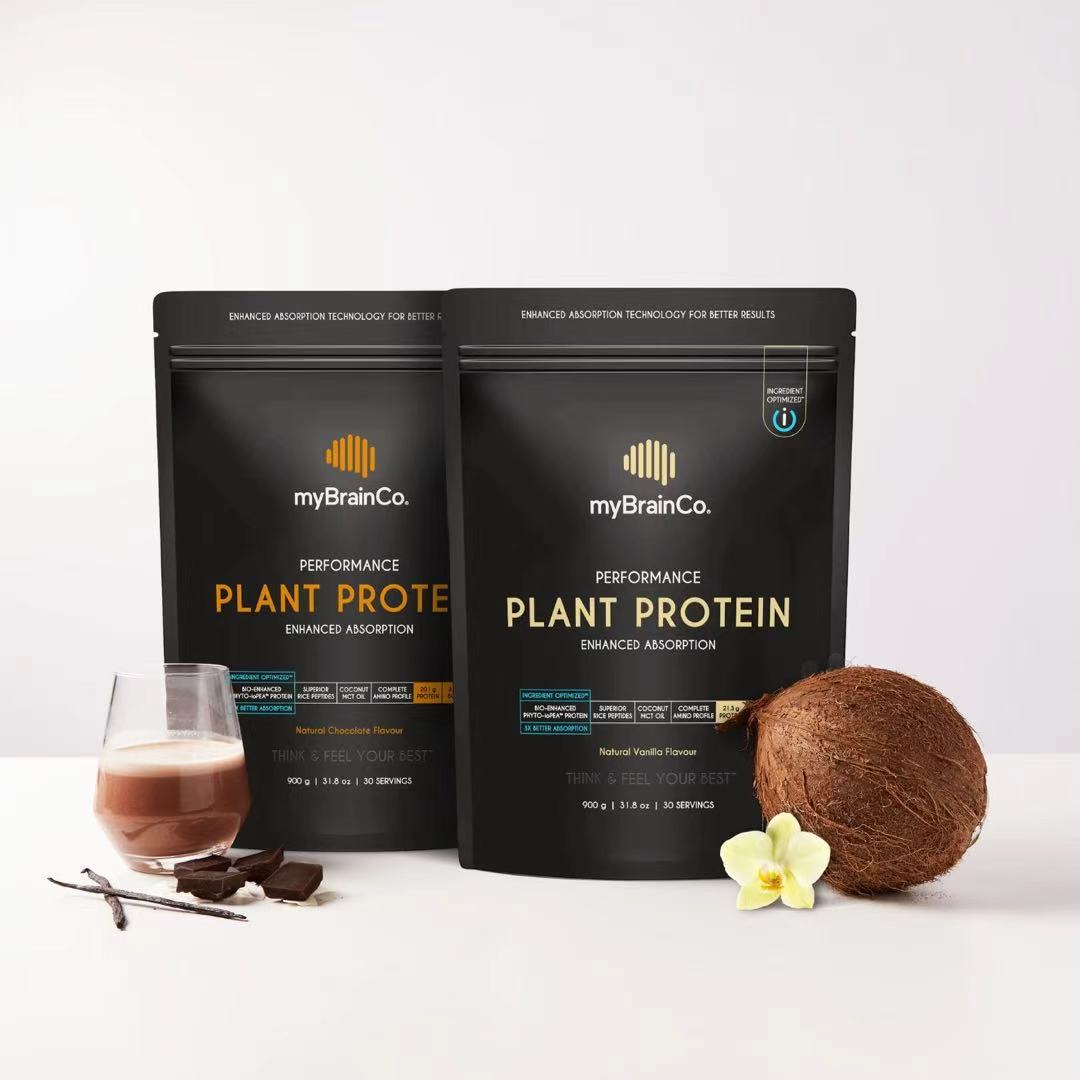
Pushing your limits in the gym demands fuel that supports rapid muscle recovery and lean growth, but not at the expense of your gut health. Too many protein powders rely on artificial sweeteners and fillers that cause bloating, cramps, or sluggish digestion, derailing your progress. Based on expert evaluations, lab tests, and user experiences, our standout choice for the best protein powder for rapid muscle recovery and lean growth that digests easily without bloating or artificial sweeteners is Transparent Labs 100% Grass-Fed Whey Protein Isolate. This premium isolate packs 28g of protein per serving from grass-fed sources, with natural flavors and no junk for seamless absorption.
Benefits of Using Protein Powder
• Supports muscle growth and recovery after workouts
• Convenient and easy to use, perfect for busy lifestyles
• Helps meet daily protein needs when food intake is not enough
• Supports weight management by helping you feel fuller longer
• Versatile – mix with water, milk, smoothies, or recipes
Common Types of Protein Powder
Whey Protein
Fast-absorbing and ideal for post-workout use.
Popular among athletes and gym-goers.
Plant-Based Protein
Made from pea, rice, or blended sources.
Suitable for vegans and people with dairy sensitivities.
Casein Protein
Slow-digesting protein that provides long-lasting
amino acid release, often taken before bedtime.
Pros and Cons
Pros:
Digestible isolate form—no bloating or upset.
28g protein with BCAAs for quick recovery and growth.
Free of artificial sweeteners and additives.
Natural flavors that taste authentic.
Ethical sourcing and testing.
Cons:
Premium pricing for the quality.
Stevia might have a slight aftertaste for some.
Fewer flavors than budget brands.
Vitamins for health support and energy recovery daily
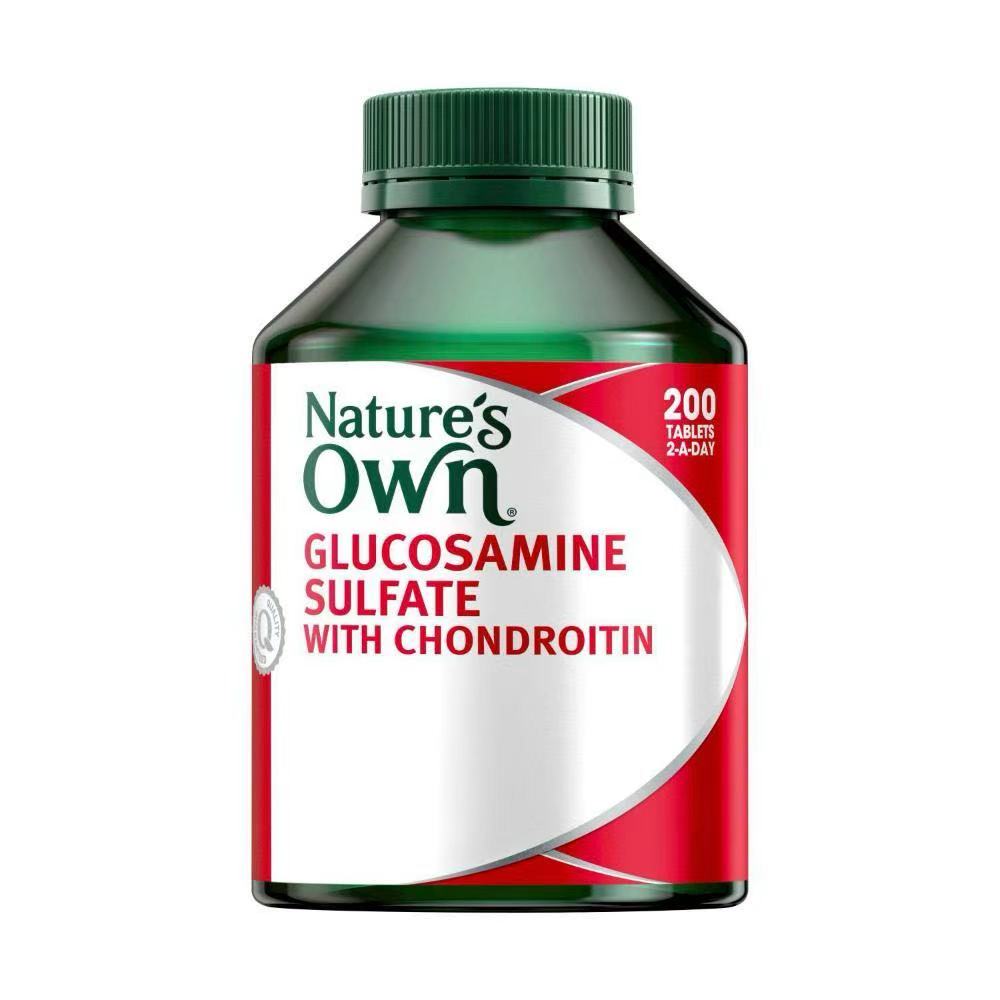
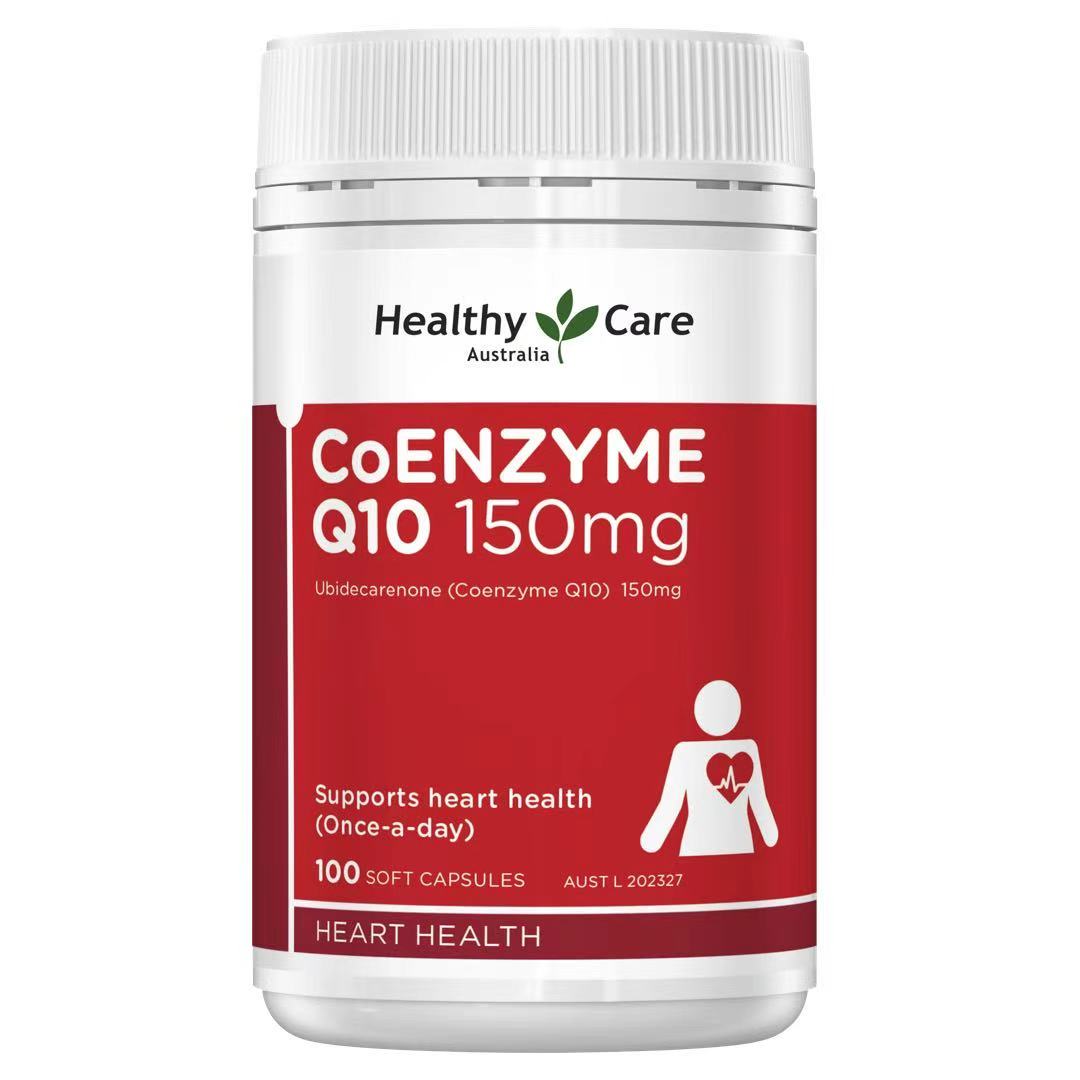
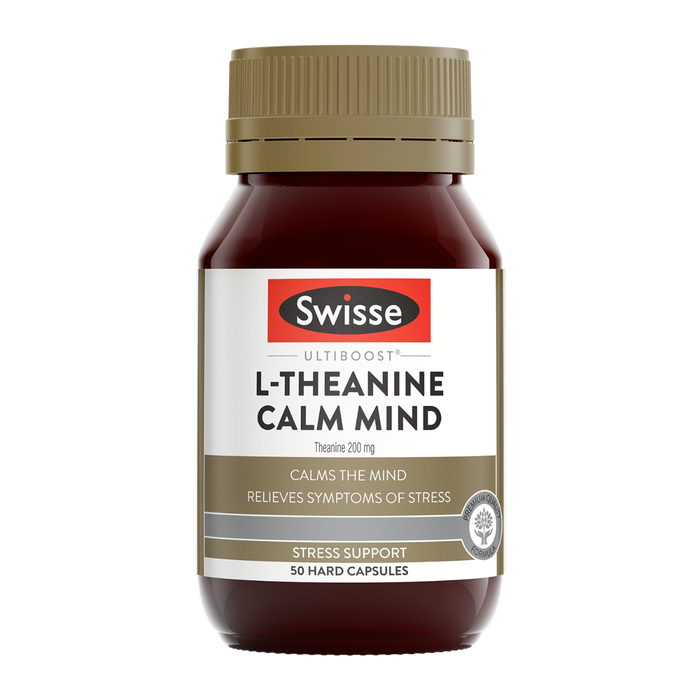
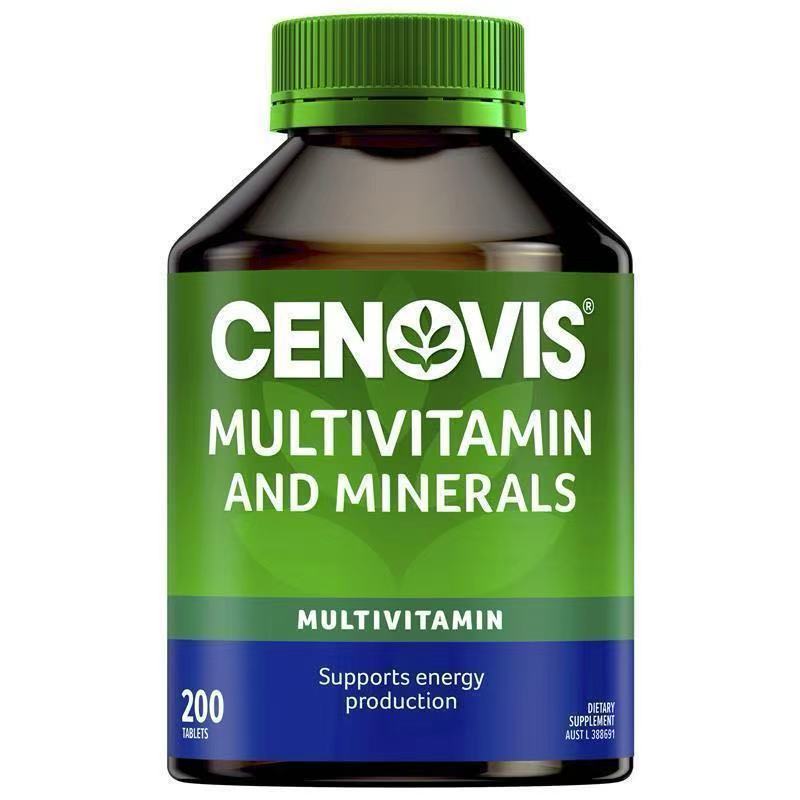
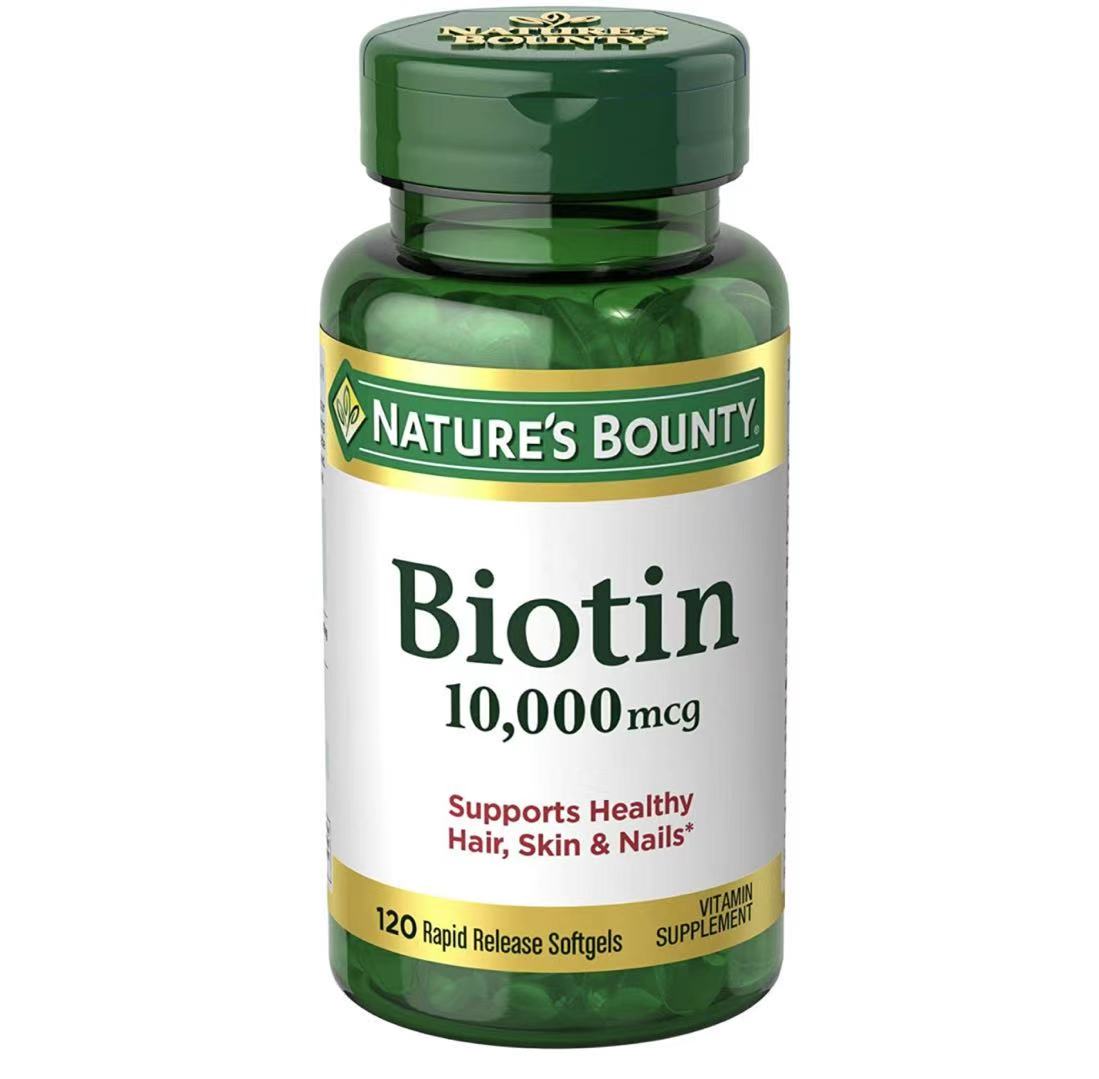


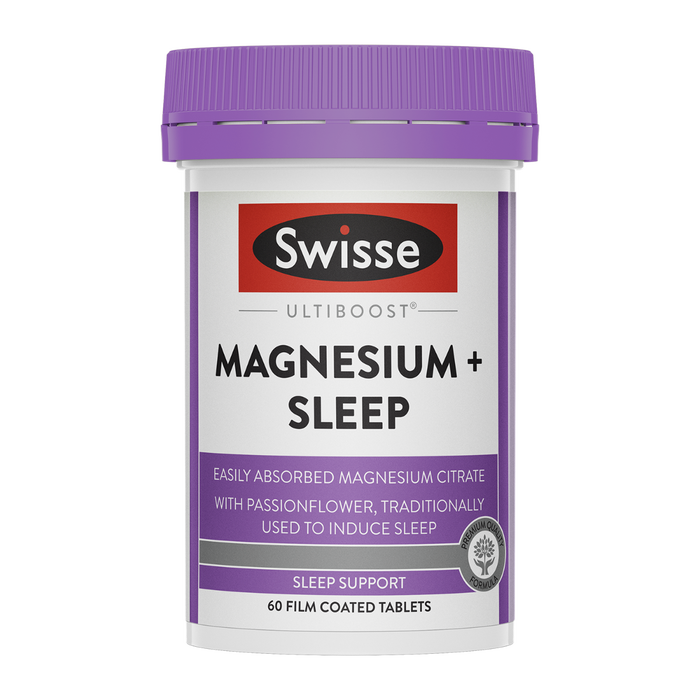
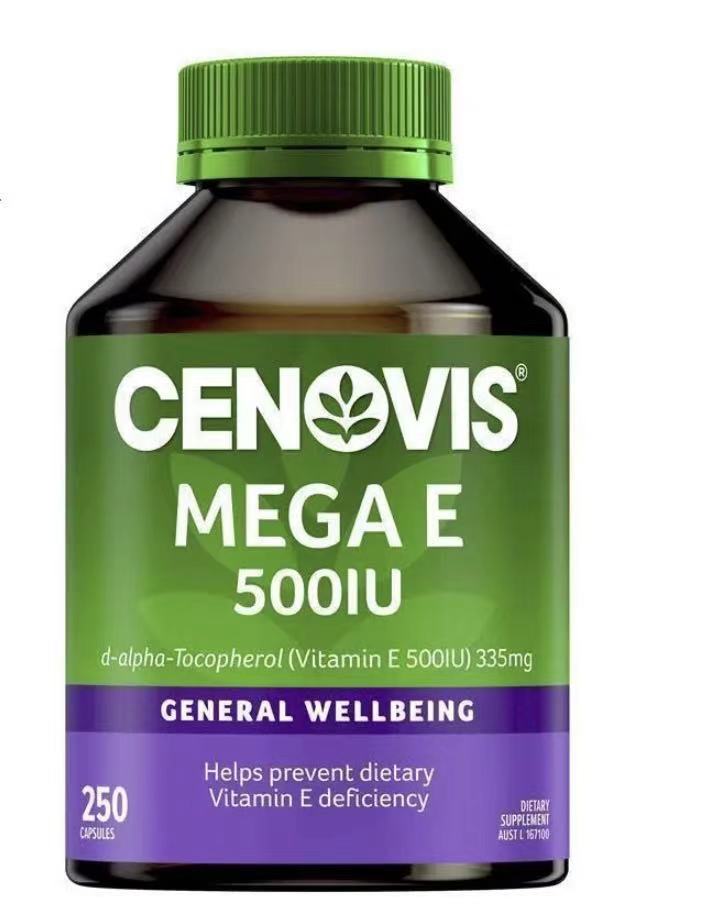

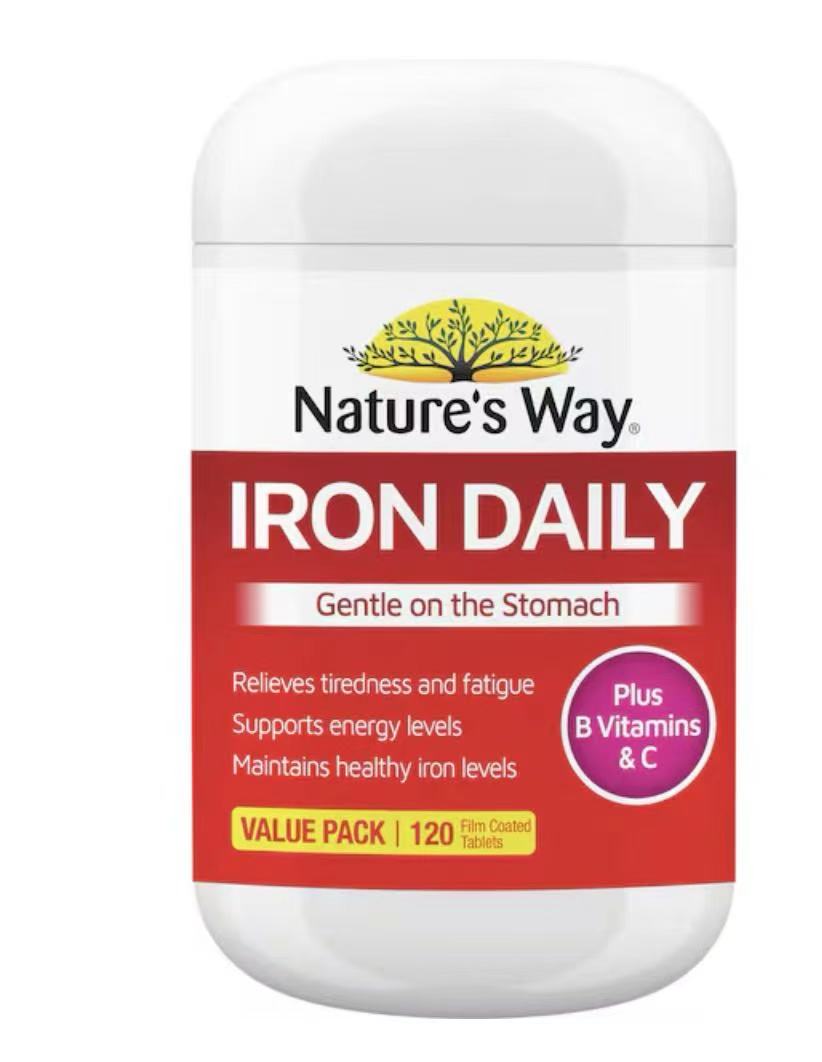
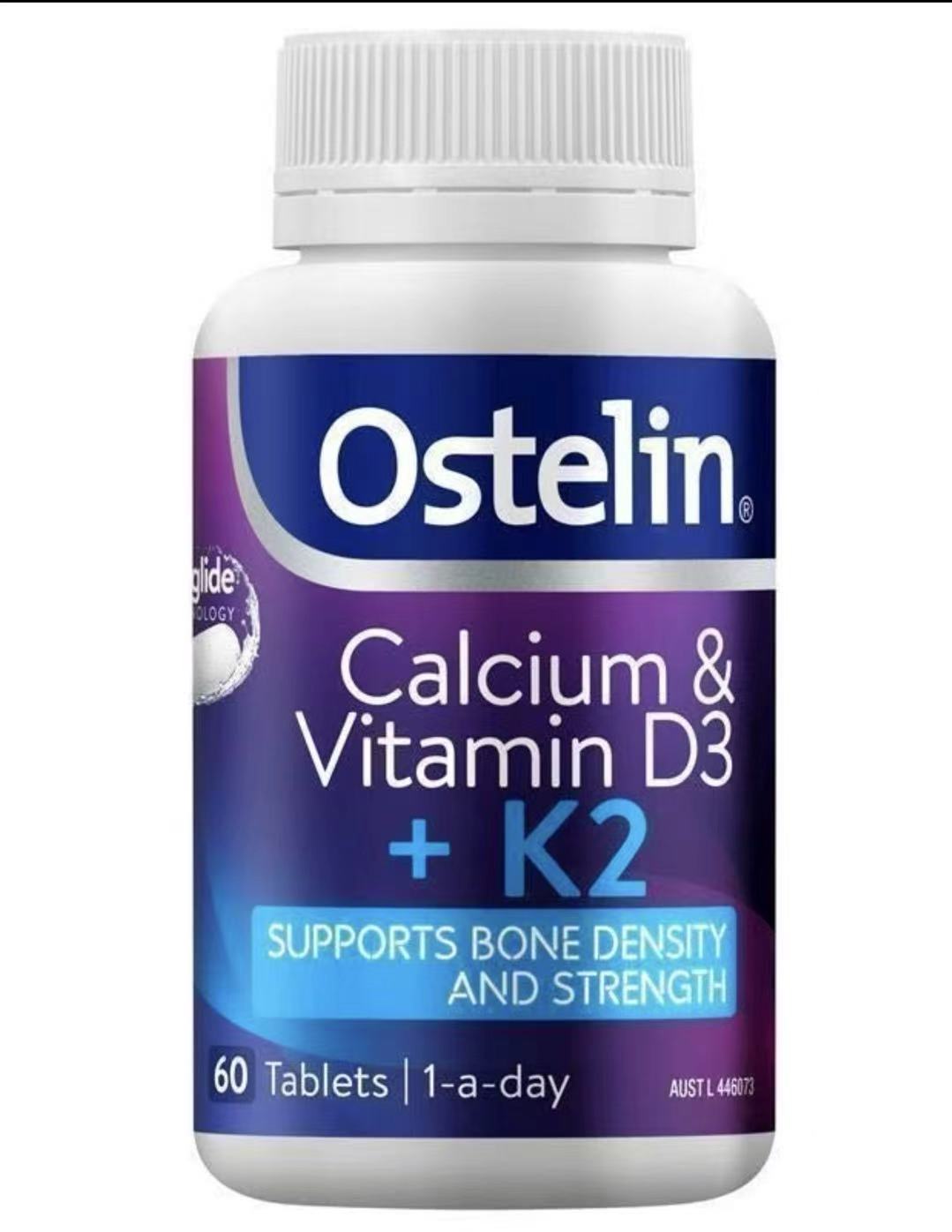
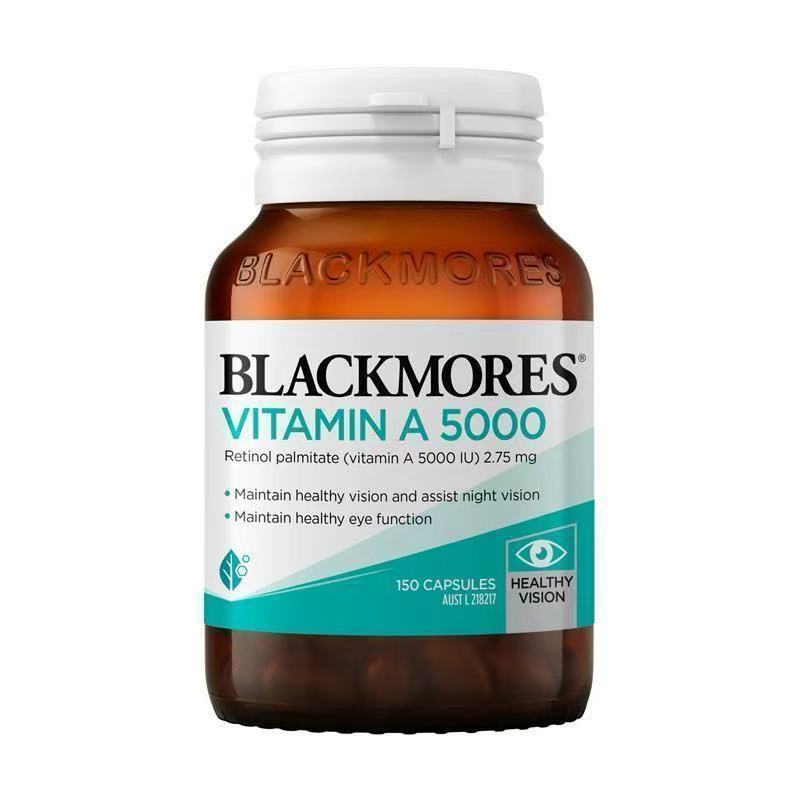
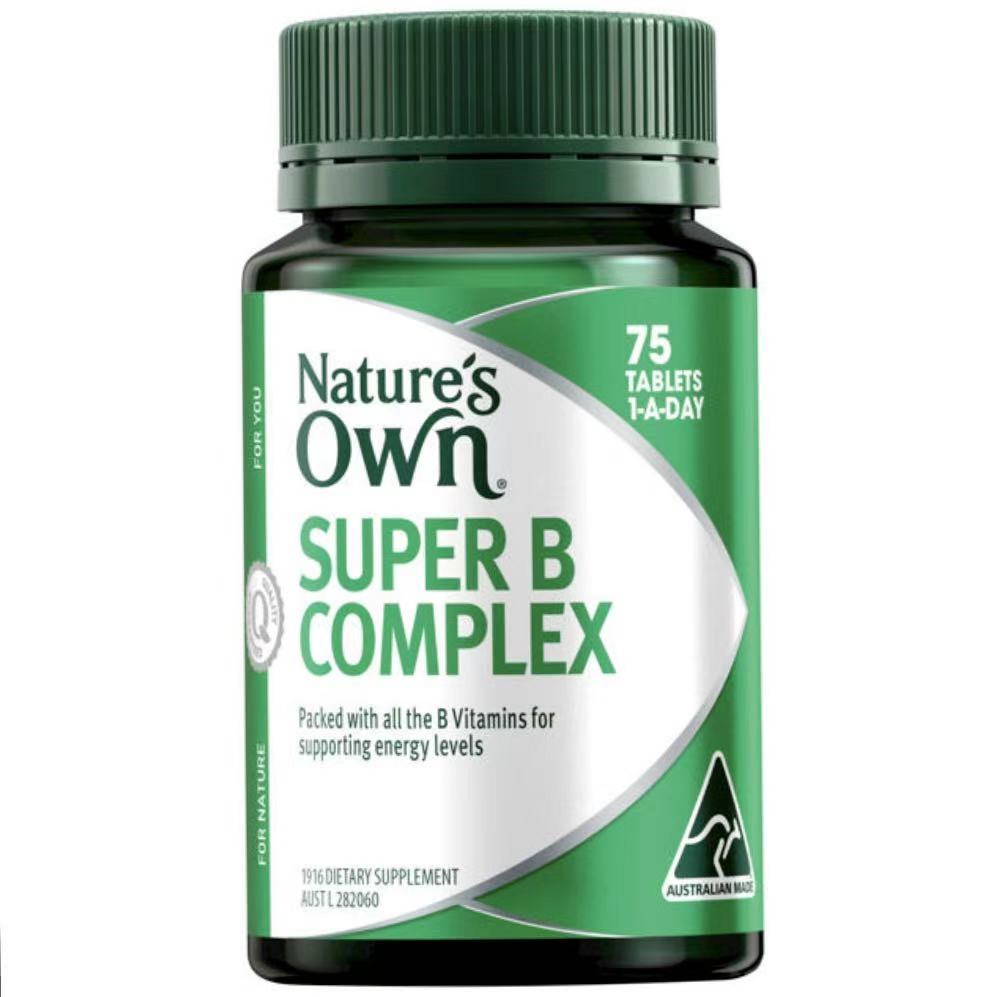
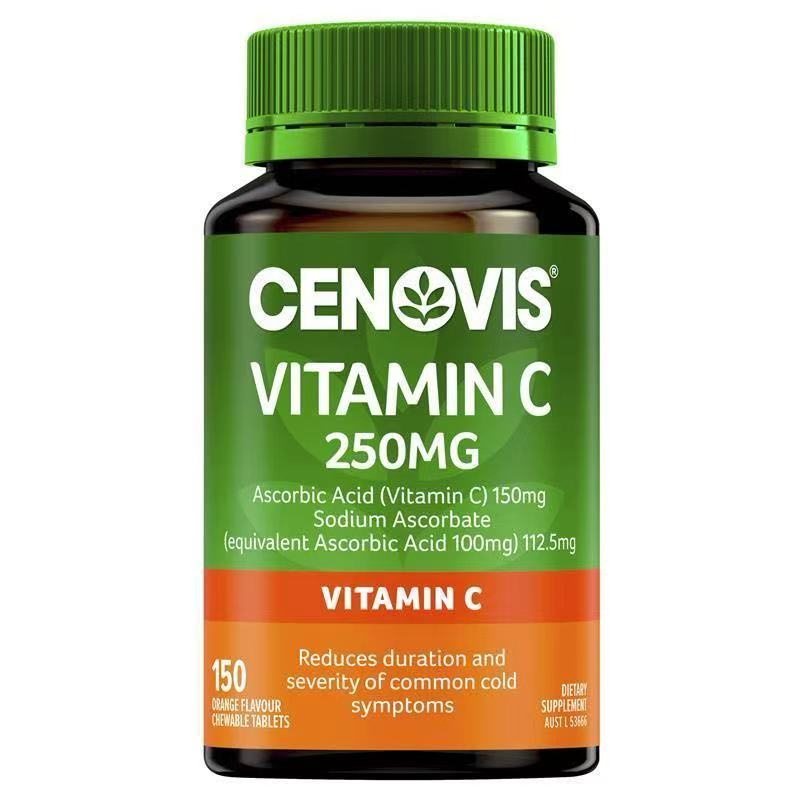
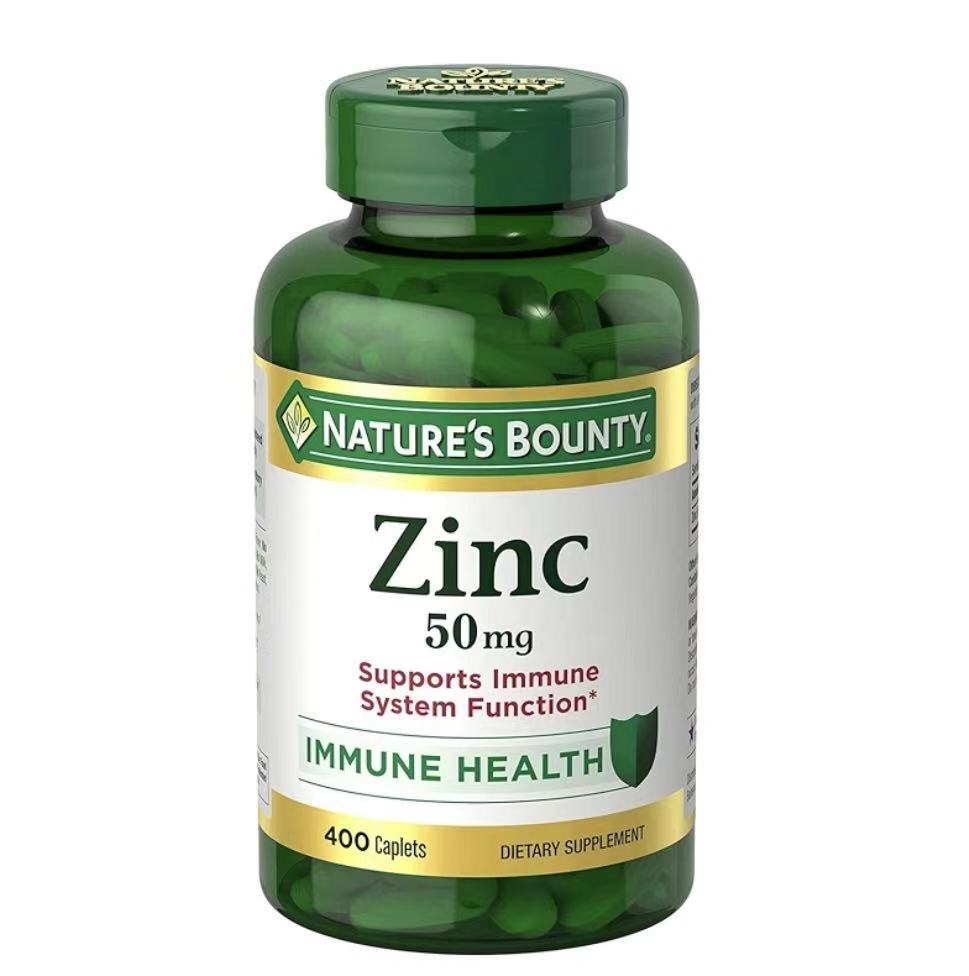
Best vitamins for improving daily health support and energy recovery
Vitamins are essential nutrients that support many body functions such as immunity, energy production, skin health, and bone strength. Many people take vitamin supplements to fill nutritional gaps in their diet and maintain overall health.
Benefits of Using Vitamins
Support Immune System
Vitamins like Vitamin C and Vitamin D help strengthen the immune system and may help the body fight infections.
Increase Energy Levels
B vitamins such as Vitamin B12 and Vitamin B6 help convert food into energy and support brain function.
Promote Bone Health
Vitamin D and Vitamin K help the body absorb calcium and maintain strong bones.
Improve Skin, Hair, and Nails
Vitamins like Vitamin E and Vitamin A support skin repair, hydration, and healthy hair growth.
Prevent Nutrient Deficiencies
People with restricted diets, busy lifestyles, or certain health conditions may benefit from vitamin supplements to maintain proper nutrient levels
Common Types of Vitamins
Fat-Soluble Vitamins
These vitamins are stored in body fat.
Vitamin A – Supports vision and immune health
Vitamin D – Important for bone strength
Vitamin E – Protects cells from damage
Vitamin K – Helps blood clotting and bone health
Water-Soluble Vitamins
These vitamins dissolve in water and are not stored long in the body.
Vitamin C – Supports immunity and skin health
Vitamin B1 (Thiamine) – Helps energy production
Vitamin B2 (Riboflavin) – Supports metabolism
Vitamin B3 (Niacin) – Helps nervous system function
Vitamin B6 – Supports brain development
Vitamin B12 – Important for nerve and blood cell health
Pros & Cons
Pros:
• Helps fill nutritional gaps in the diet
• Supports overall health and wellbeing
• May boost immunity and energy
• Convenient and widely available
• Helpful for people with dietary restrictions
Cons:
• Overuse may cause side effects or toxicity
• Supplements cannot fully replace healthy foods
• Some vitamins may interact with medications
• Quality can vary between supplement brands
• Taking unnecessary supplements may waste money
Household & Personal Care
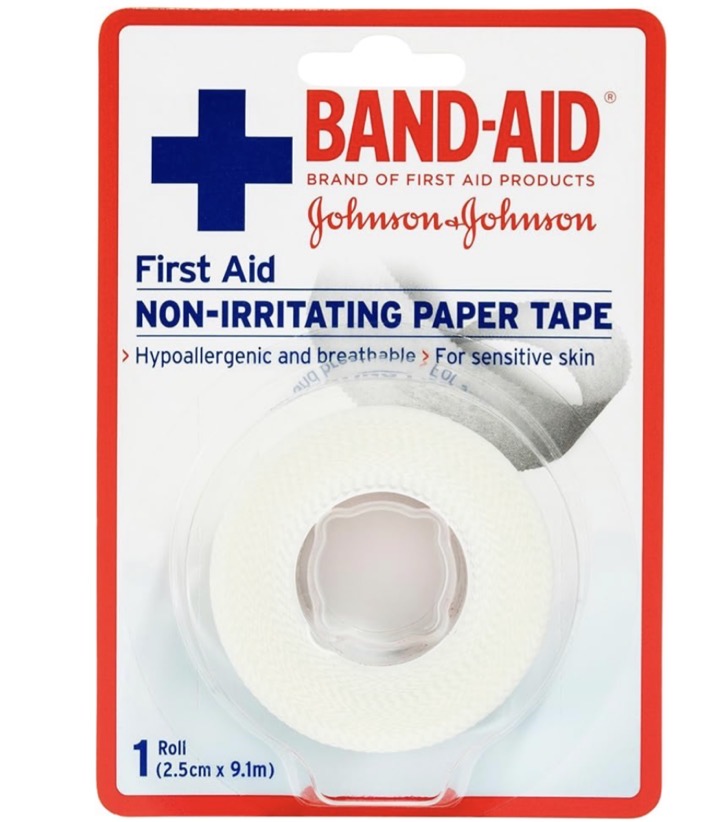


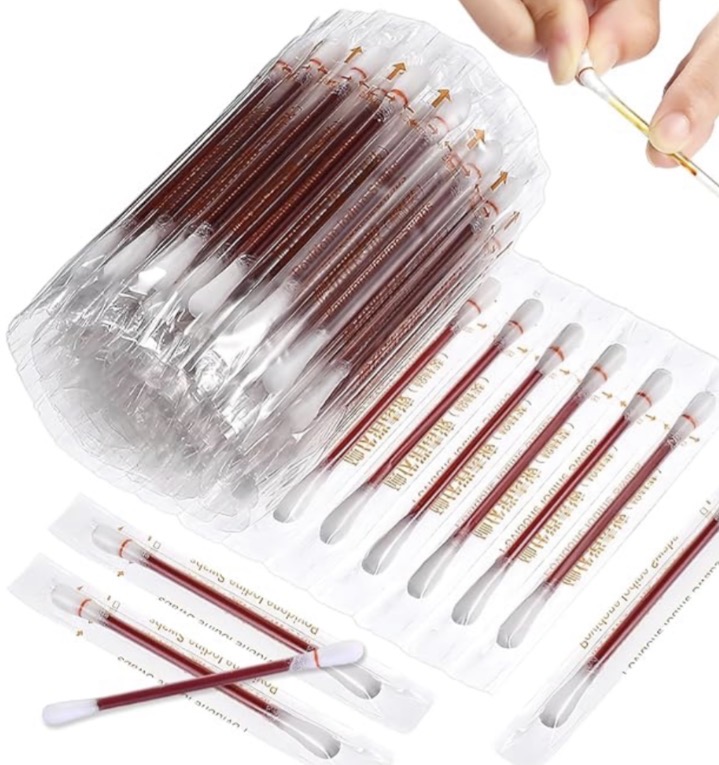

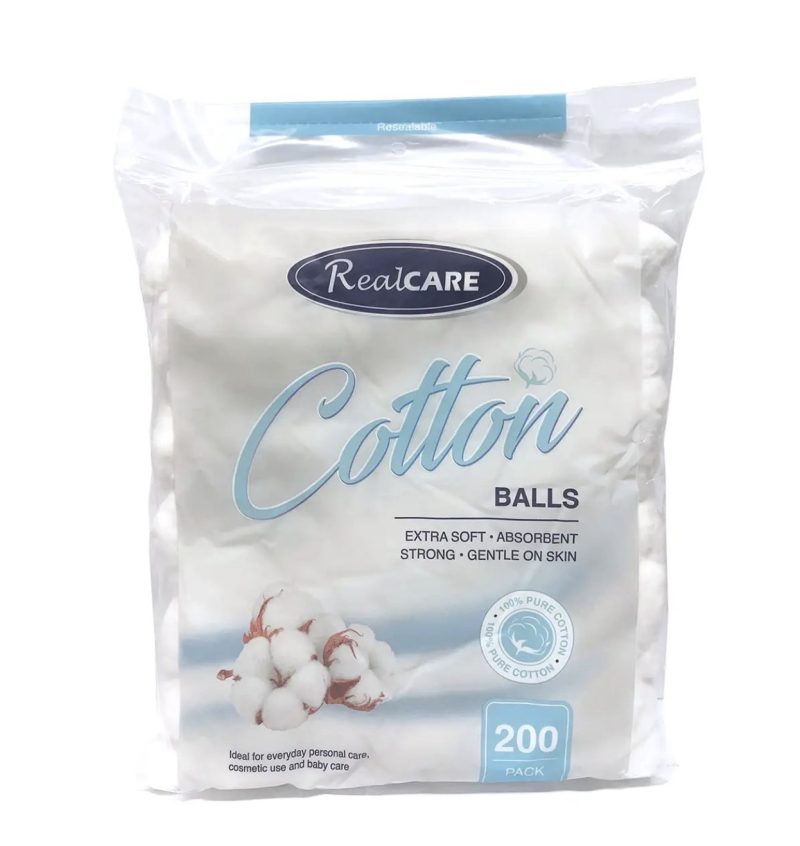
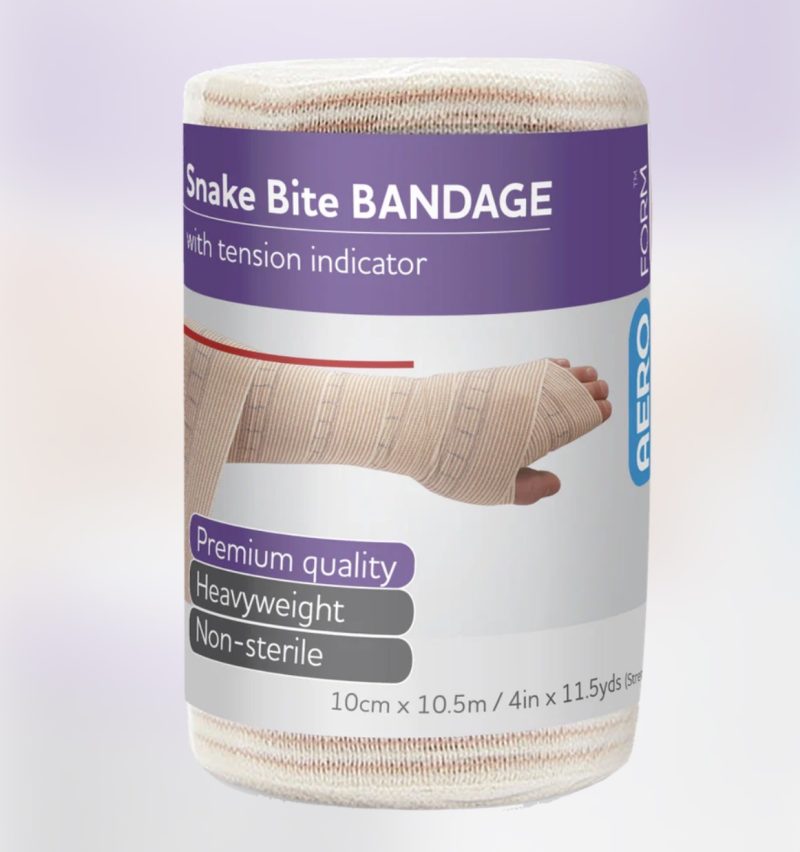
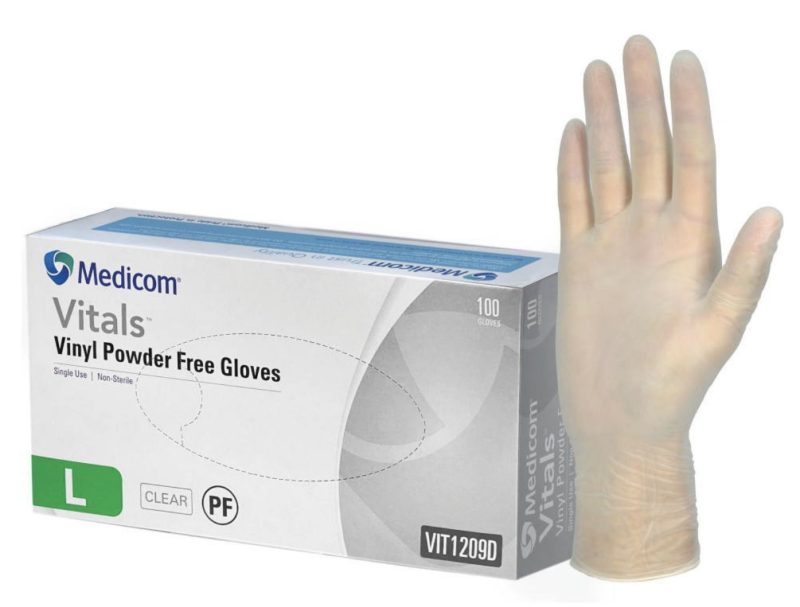
What Are Personal Care Products?
Personal care products are items used to maintain personal hygiene, improve appearance, protect the body, and support overall health and wellness. They are part of many people’s daily routines and include products for skin care, oral care, hair care, grooming, and personal hygiene.
Benefits of Using Personal Medical Care Products
Personal medical care products help people manage their health, prevent illness, and support recovery from minor injuries and everyday health concerns. Whether used at home or while traveling, these products make it easier to stay healthy and respond quickly to common medical needs.
Common Types of Personal Medical Care Products
Personal medical care products are designed to help people monitor their health, treat minor injuries, manage chronic conditions, and support overall well-being. Below are the most common categories.
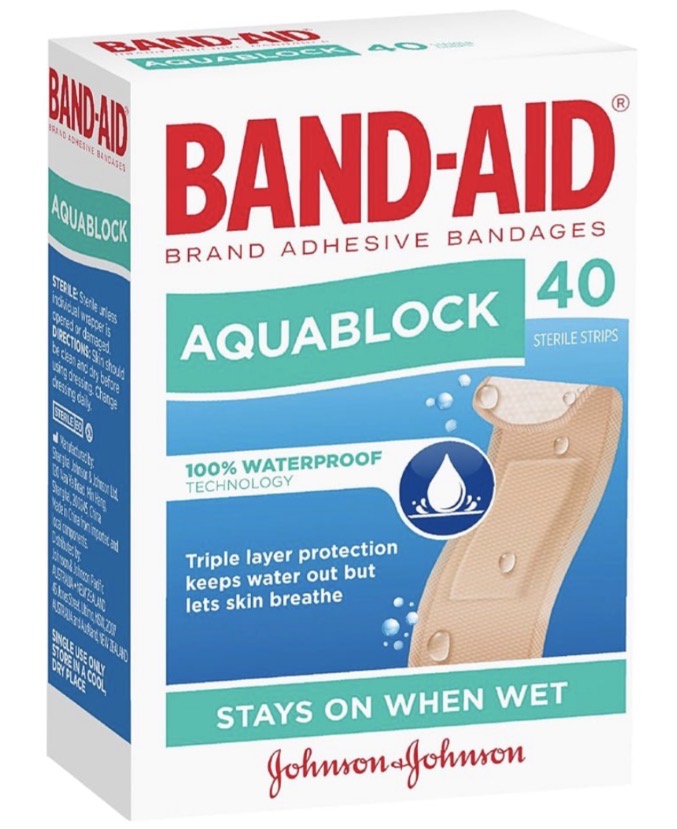
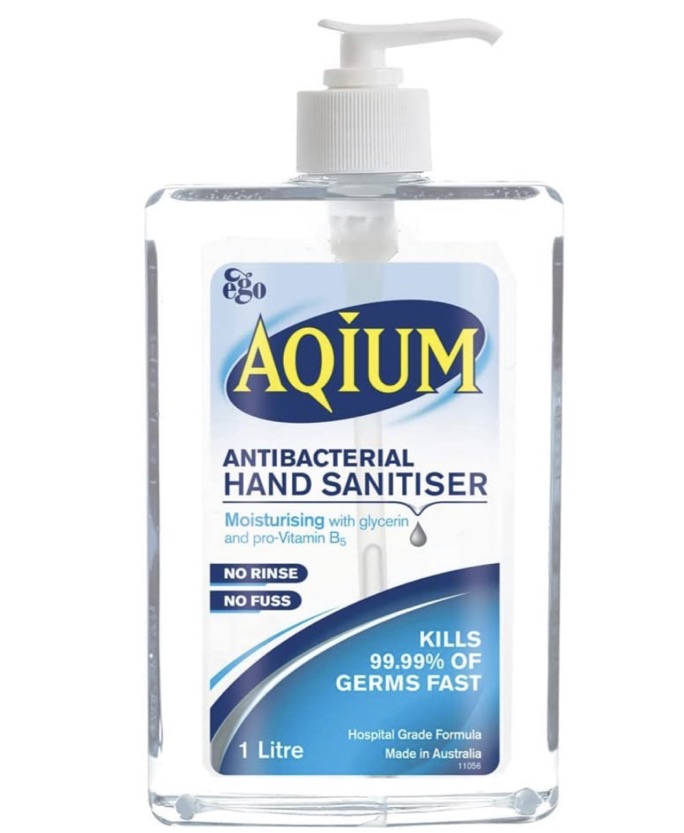
1. First Aid Supplies
2. Health Monitoring Devices
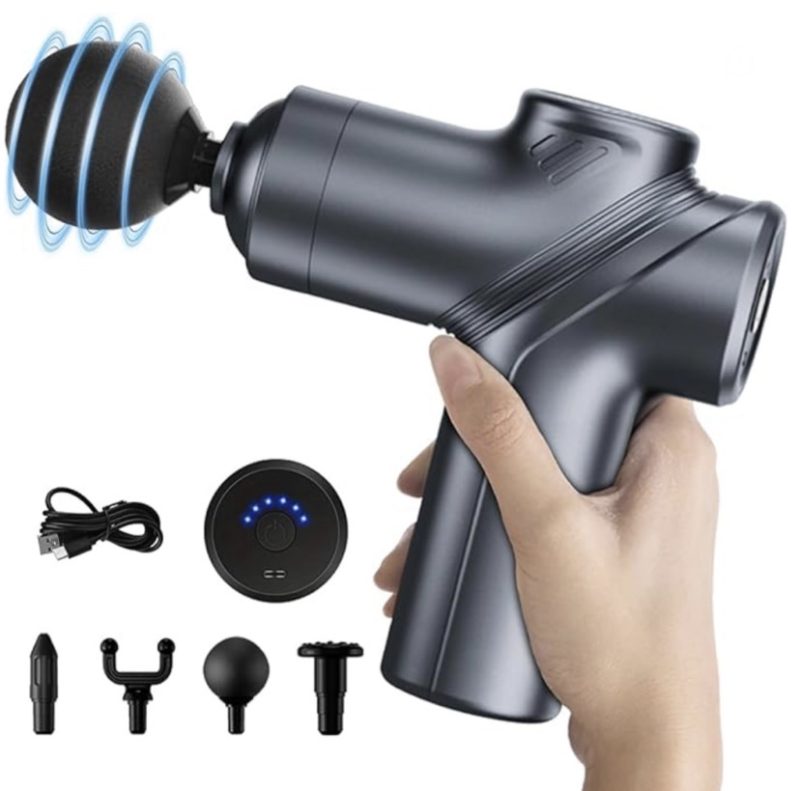
3. Pain Relief Products
4. Mobility & Support Aids
5. Respiratory Care
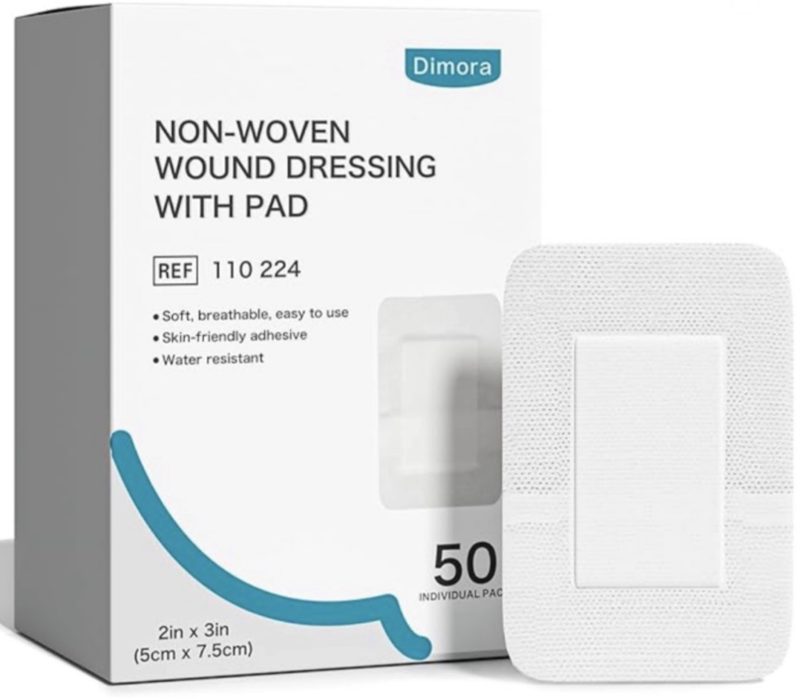
6. Wound Care
7. Home Diagnostic Equipment
8. Personal Protective Equipment (PPE)
9. Daily Health Support
10. Sleep & Comfort Aids
Pros & Cons
Pros:
- Convenient – Provides easy access to essential healthcare tools at home.
- Improves Comfort – Pain relief products and support braces can reduce discomfort during recovery.
- Cost-Effective – May reduce unnecessary clinic visits for minor health concerns.
- Promotes Independence – Helps individuals, especially older adults and people with chronic conditions, manage daily health needs.
- Emergency Preparedness – Keeping medical supplies at home ensures you’re prepared for unexpected situations.
- Suitable for the Whole Family – Many products can be used safely by adults, children, and seniors when used as directed.
- Portable – Many devices are lightweight and ideal for travel.
Cons:
- Not a Substitute for Professional Care – Home medical products cannot diagnose or treat serious medical conditions.
- User Error – Incorrect use may lead to inaccurate readings or ineffective treatment.
- Requires Regular Maintenance – Some devices need battery replacement, calibration, or cleaning.
- Initial Cost – High-quality medical equipment can be relatively expensive.
- Limited Accuracy – Consumer devices may not be as precise as professional medical equipment.