
Weight Gain & Slowing Metabolism – Causes, Signs & Solutions
Many adults notice weight gain in their 40s and 50s—even when eating the same and exercising as before. This isn’t a lack of willpower. It’s largely due to a naturally slowing metabolism combined with hormonal and lifestyle changes.
 Common Signs of a Slower Metabolism
-
Gradual weight gain, especially around the abdomen
-
Difficulty losing weight despite diet efforts
-
Reduced muscle tone
-
Feeling sluggish or low in energy
-
Increased fat storage after meals
 Why Metabolism Slows With Age
1. Loss of Muscle Mass
Muscle burns more calories than fat. After age 40:
-
Muscle mass declines each decade
-
Resting calorie burn decreases
 Fewer calories burned at rest
2. Reduced Physical Activity
-
Less movement during the day
-
Joint pain or stiffness limiting exercise
Lower daily calorie expenditure
3. Poor Sleep & Stress
-
Inadequate sleep increases hunger hormones
-
Chronic stress raises cortisol levels
Encourages fat storage
 How to Prevent & Improve?
 Build & Maintain Muscle
Light strength training
Resistance bands
Body-weight exercises
Even 2–3 sessions per week helps
 Eat for Metabolic Support
Increase protein intake
Reduce refined carbs and sugar
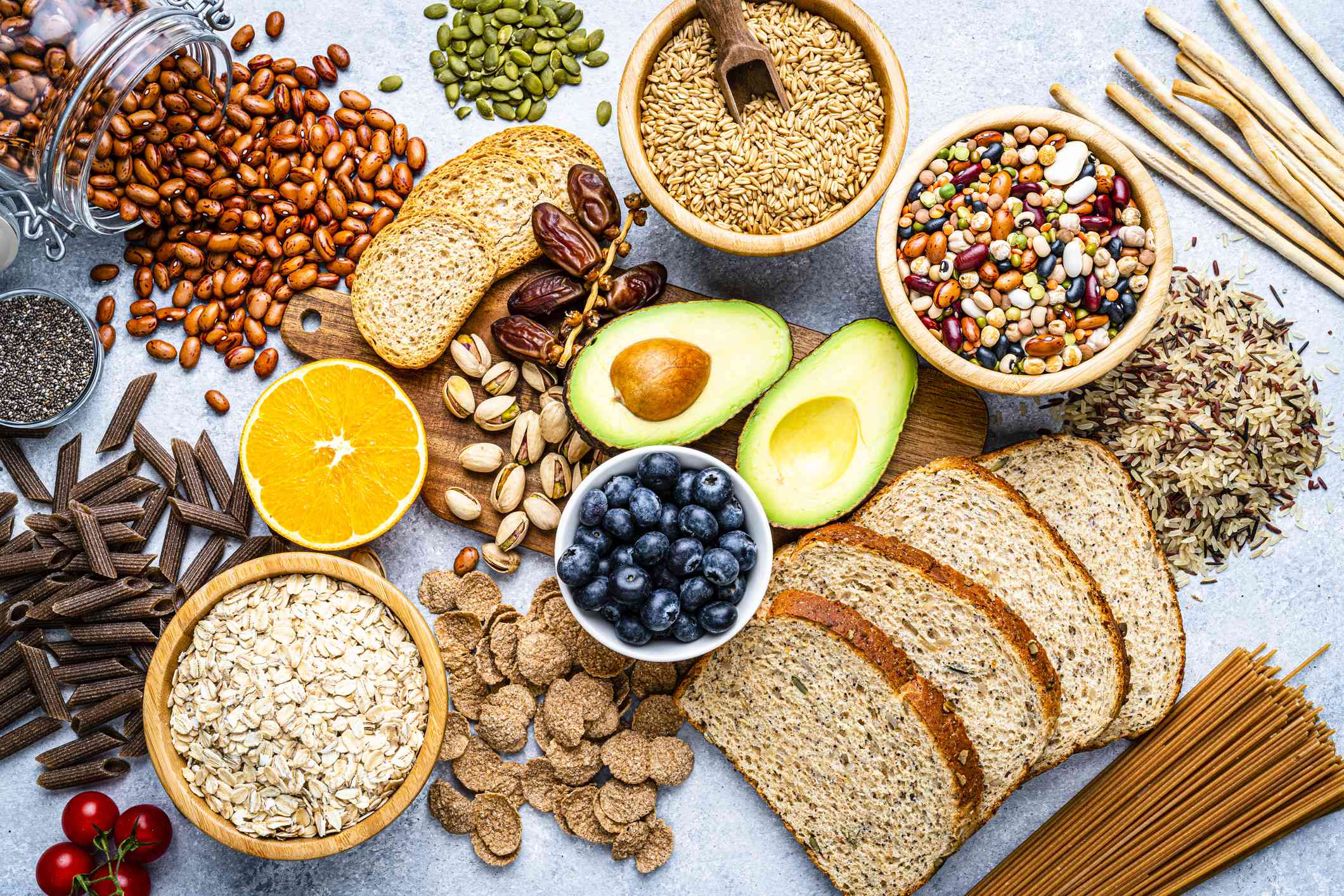
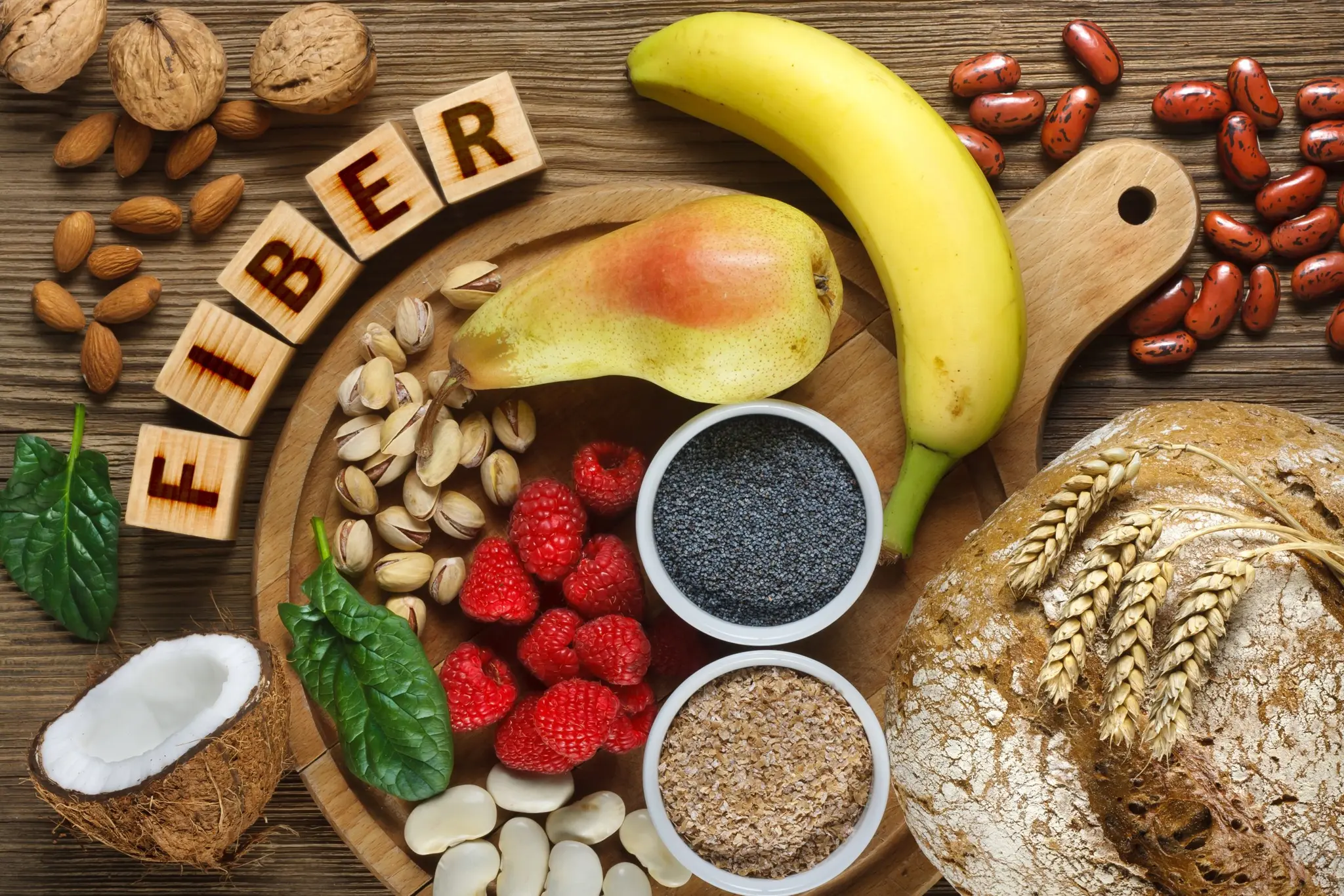
Eat fiber-rich foods
 Move More (Without Overdoing It)
Daily walking
Low-impact cardio
Stretching and mobility work
 Prioritize Sleep & Stress Control
Aim for 7–8 hours of sleep
Practice relaxation techniques
 Final Takeaway
Weight gain in midlife is biological, not personal failure. With the right nutrition, movement, and support, metabolism can be re-activated and weight can be managed sustainably.